Good morning Wisconsin,
As most of you know, I am taking a break from the weather for several days for personal reason relating to my health. I will be doing scheduled posts from today until the end of the month and will be back to forecasting April 1st. IF severe weather were to hit, I would be updating on that through my phone.
This morning’s post is sponsored by Brinkmann Fiberglass Pools out of Oconomowoc, WI. This morning we will be talking about thunderstorms and how they are formed.
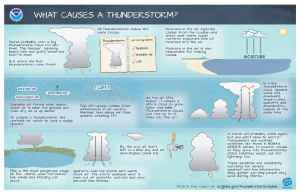
Thunderstorms form when warm, moist air rises rapidly into colder, unstable atmosphere, driven by moisture, lifting mechanisms (like heat or cold fronts), and instability. This convection causes water vapor to condense, releasing energy and creating cumulonimbus clouds, leading to precipitation, lightning, and thunder.
 NOAA National Severe Storms Laboratory (.gov) +4
- Moisture: Essential for forming clouds and rain.
- Unstable Air: Occurs when warm, moist air is near the ground with cold, dry air above it, allowing the air to continue rising.
- Lift: Caused by sunlight heating the ground, or by cold/warm fronts forcing air upward.
- Stages of Development:
- Developing Stage (Cumulus): Sun heats the ground, creating updrafts that lift moisture, forming clouds.
- Mature Stage: The storm reaches its peak, with both updrafts and downdrafts, producing heavy rain, hail, and lightning.
- Dissipating Stage: The downdraft becomes dominant, cutting off the supply of warm air and causing the storm to weaken
This information is from the National Weather Service. Did you know that at a mature stage of a thunderstorm, they can reach 40,000 to 60,000 feet up into the air???? That’s just insane! Airplanes travel at about 40,000 feet. Sometimes they will have to go around them!